
Reef and seaVisibility, currents and swell all shift with the monsoon. Ask the boat crew about conditions each day, skip snorkelling in heavy chop, and never stand on coral to rest.
The Maldives does not have spring, summer, autumn and winter. Close to the equator, the temperature barely moves: days are hot and humid all year, usually somewhere around 26 to 31 °C, and the sea stays warm enough to swim in at any time. What changes is the wind. Two monsoons, blowing from opposite directions, divide the year, and they shape the sea, the rain and the rhythm of travel around Maafushi.
Islanders have their own names for them. Iruvai is the northeast monsoon, the drier half of the year. Hulhangu is the southwest monsoon, the wetter and windier half. Between them come short change-over weeks when the wind drops and the weather can go either way.
Iruvai: the northeast monsoon
Iruvai runs roughly from December to April. The wind comes from the northeast, rainfall is lower, skies are often clear for days at a time, and the sea inside the atoll tends to be calmer. Boat crossings from the airport are usually smoother, and snorkelling trips are less likely to be cancelled. Water clarity on many reefs is at its best in these months.
This is the peak season. Flights, rooms and boat trips are in higher demand, prices are generally at their highest, and the most popular sandbanks and snorkelling spots can be busy. If you plan to travel around Christmas, New Year or the European spring holidays, arrange the essentials early and expect to pay more. Our guide to sandbank picnics is a good place to start planning those calm-weather days.
Even in Iruvai, it is still the tropics. Short showers happen, humidity stays high, and the sun is strong from early morning. Hats, shade and plenty of water matter as much in February as in July.
Hulhangu: the southwest monsoon
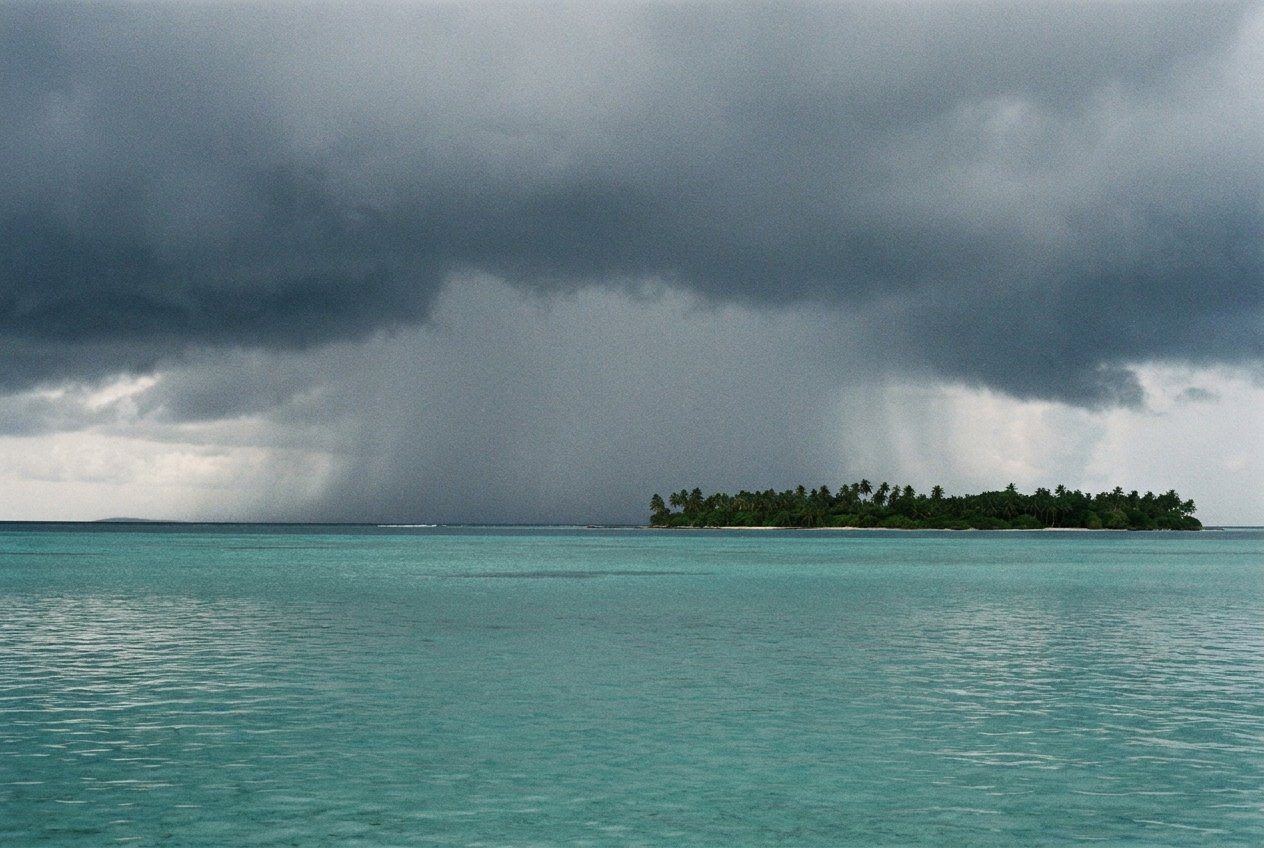
Hulhangu runs roughly from May to November. The wind swings round to the southwest and strengthens, clouds build more often, and rain arrives in squalls that can be heavy for an hour and then clear. Some days are grey from morning to night; many others are bright with only a passing shower. The weather changes fast, and a forecast is only a rough guide.
For travellers, the main difference is the sea. Channels between reefs get choppier, crossings to and from Maafushi can be slower and rougher, and some boat trips are postponed or shortened when the wind is up. Visibility on certain reefs drops when the water is stirred up. At the same time, nutrient-rich water brings more plankton, and that can draw larger filter feeders such as manta rays to feeding areas in some parts of the country.
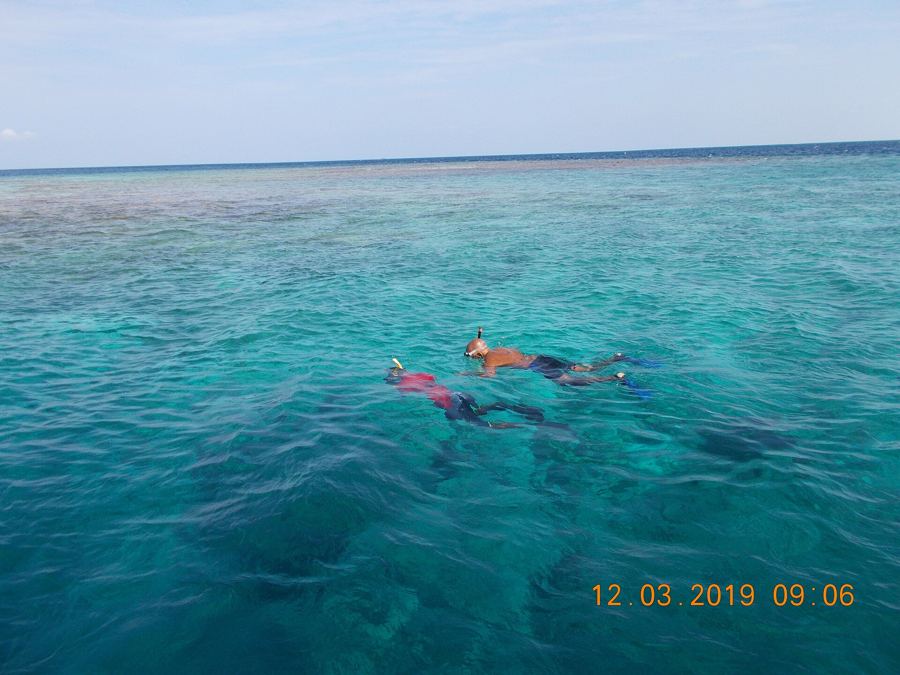 Next hop · The seaSnorkelling the reefs near Maafushi
Hulhangu is the quieter season. Fewer visitors arrive, prices for many services are generally lower than in peak months, and the island feels less crowded. If you are flexible, travel light and do not mind the odd lost day to weather, it can be a very good time to come.
The change-over weeks
Between the two monsoons, roughly around April and around November, the wind often slackens. Some of the calmest, glassiest sea days of the year can fall in these weeks, though rain and sudden storms are also possible. Many divers and snorkellers like these periods for their still water, but they are less predictable than the peak months on either side. Treat them as a gamble that often pays off.
What the seasons mean for boat trips
Almost everything you do from Maafushi involves a boat, so the sea matters more than the rain. A wet morning with a flat lagoon is better for snorkelling than a sunny afternoon with a strong wind. Crews make the call each day; if they say the conditions are wrong for a reef or a crossing, take their word for it.
- Leave a spare day or two in your plans, especially between May and November, in case a trip is moved.
- Keep the day before an international flight free of long boat excursions, and cross back towards the airport with time to spare.
- Pack seasickness tablets if you are prone to it. Open channels can roll even in fair weather.
- Use a dry bag for phones and cameras. Spray soaks everything on a bumpy crossing.
Our guide to getting to Maafushi explains the speedboat and ferry options and how the weather affects them.
Sun, heat and rain on land
On the island, the heat is constant. The middle of the day is fierce in every month, and shade is limited on open streets and beaches. Plan walks for the morning and late afternoon, drink water steadily and use a high-protection, reef-safe sunscreen. A light rain jacket or a compact umbrella is useful in Hulhangu, though many visitors simply wait under a roof for the shower to pass, which rarely takes long.
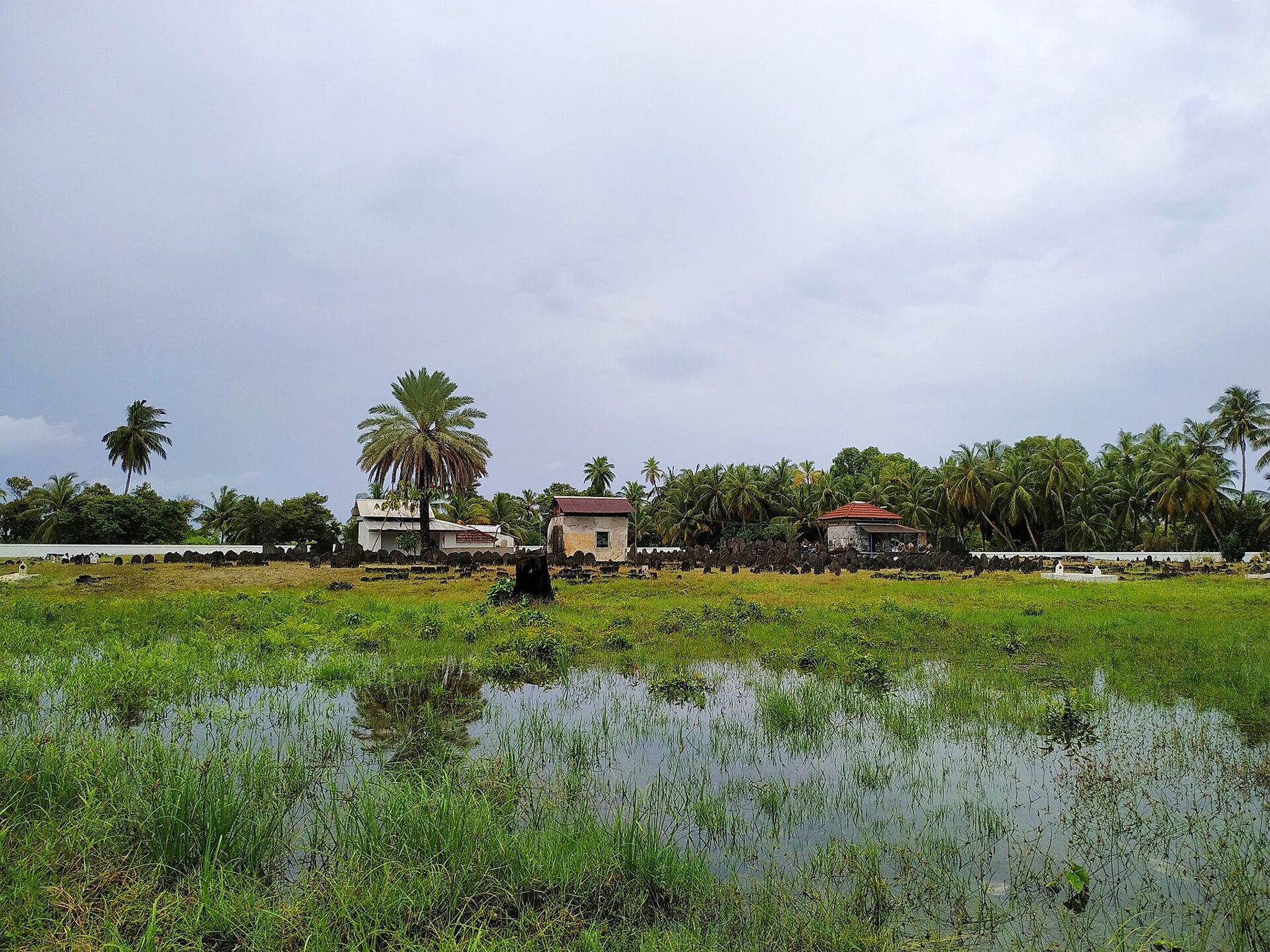
Rain can leave sandy streets puddled for a while, as low ground on a coral island drains slowly. Sandals that cope with water are better than trainers. Modest dress still applies whatever the weather; a loose long-sleeved shirt protects you from both sun and stares.
So when should you come?
If calm seas and the most reliable sunshine come first, choose the heart of Iruvai, from about January to March, and accept higher prices and more company. If you want lower costs and a quieter island, Hulhangu offers plenty of good days with some uncertainty. The change-over weeks reward flexible travellers.
The month of fasting, Ramadan, moves through the calendar each year and changes the pace of island life. Check whether your dates fall in it, and read our guide to travelling in Ramadan if they do. Whichever monsoon you come in, the sea will still be warm and the reefs still alive. Plan around the wind and leave room for the weather to decide a little of your trip.