
Reef and seaCustoms on land and sea go together: swimwear belongs on the designated beach or a boat trip, and on any reef you never touch coral, chase animals or leave rubbish behind.
The Maldives is a Muslim country, and by law its citizens are Muslim. On resort islands, which are self-contained properties with no local population, much of this stays out of view. On inhabited islands such as Maafushi it is the fabric of daily life. Calls to prayer mark the hours, Friday has its own rhythm, and families expect their streets to be treated as a neighbourhood rather than a beach resort.
None of the customs visitors are asked to follow is difficult. They come down to dressing modestly away from the tourist beach, not bringing alcohol, being aware of prayer times, and showing the same courtesy you would in any small community. This guide sets them out plainly, so you can stop wondering and enjoy the island.
Dress: the bikini beach and everywhere else
The most visible rule is about clothing. On local islands, swimwear is worn only on the designated tourist beach, often called the bikini beach, and on boat trips. Our guide to the bikini beach and the rest of the shore explains how it is screened and where it sits. Everywhere else, in the streets, shops, cafés and harbour, both women and men are expected to cover shoulders and knees.
In practice this is easy. A loose cotton shirt or T-shirt and a long skirt, wide trousers or shorts that reach the knee are cool enough for the heat. A sarong or wrap in your beach bag lets you cover up quickly when you leave the sand. Men walking through the village without a shirt stand out just as much as women in swimwear. Tight or see-through clothes are also best kept for the beach.
You will notice that many Maldivian women wear a headscarf. Visitors are not expected to cover their hair, except when entering a mosque, where it is required for women.
The same standard holds on the walk between your room and the beach. Put the wrap on before you step out of the beach enclosure, not halfway down the street, and carry a dry layer on boat trips so you are covered again when you land at the harbour. Children are given more leeway, but older children are usually dressed much as adults are. If you are unsure about an outfit, the simple test is whether it covers your shoulders and reaches your knees; if it does, you will be fine almost anywhere on the island.
Alcohol, pork and what you bring in
Alcohol is not sold or served on local islands, and pork is not available. This is not a matter of one shop or one café choosing not to stock them; it applies across inhabited islands. Do not bring alcohol into the country at all. It is not allowed through customs at the airport and will be held there. Drinking in public on a local island is out of the question.
Some visitors join excursions to resorts or to boats moored offshore where drinks are served under different licences. That is a separate world from the island you are staying on, and the expectation is that you come back sober and dressed for the village. Our page on resort day passes explains how those trips work.
Prayer times and Fridays
Muslims pray five times a day, at dawn, around midday, in the afternoon, at sunset and at night, and the call to prayer sounds from the island's mosques before each one. The times shift slightly through the year with the sun. Some shops and small businesses close briefly during prayers, usually for a quarter of an hour or so, and reopen afterwards. If you find a door shut, wait a little or come back later.
Friday is the main day of prayer. Around midday, men go to the mosque for the Friday prayer and sermon, and the island goes quiet; many shops close for longer than usual and boat services can be thinner than on other days. Plan your Friday around a slow morning and a late lunch, and keep noise down near the mosques. During the month of fasting, the whole day follows a different pattern; our guide to travelling in Ramadan describes it.
Plan your Friday around a slow morning and a late lunch, and keep noise down near the mosques.
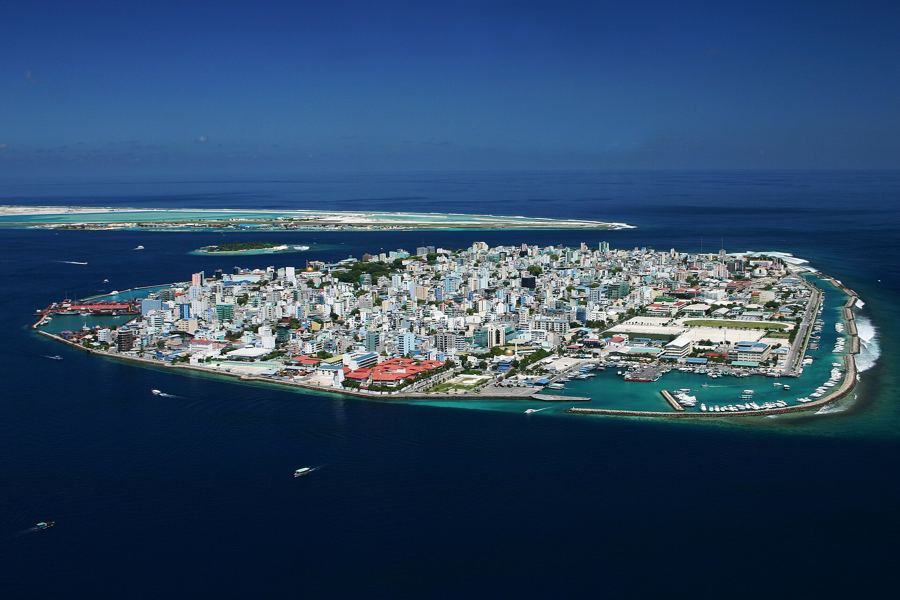 Next hop · MaléA day in Malé
Mosques, photographs and people
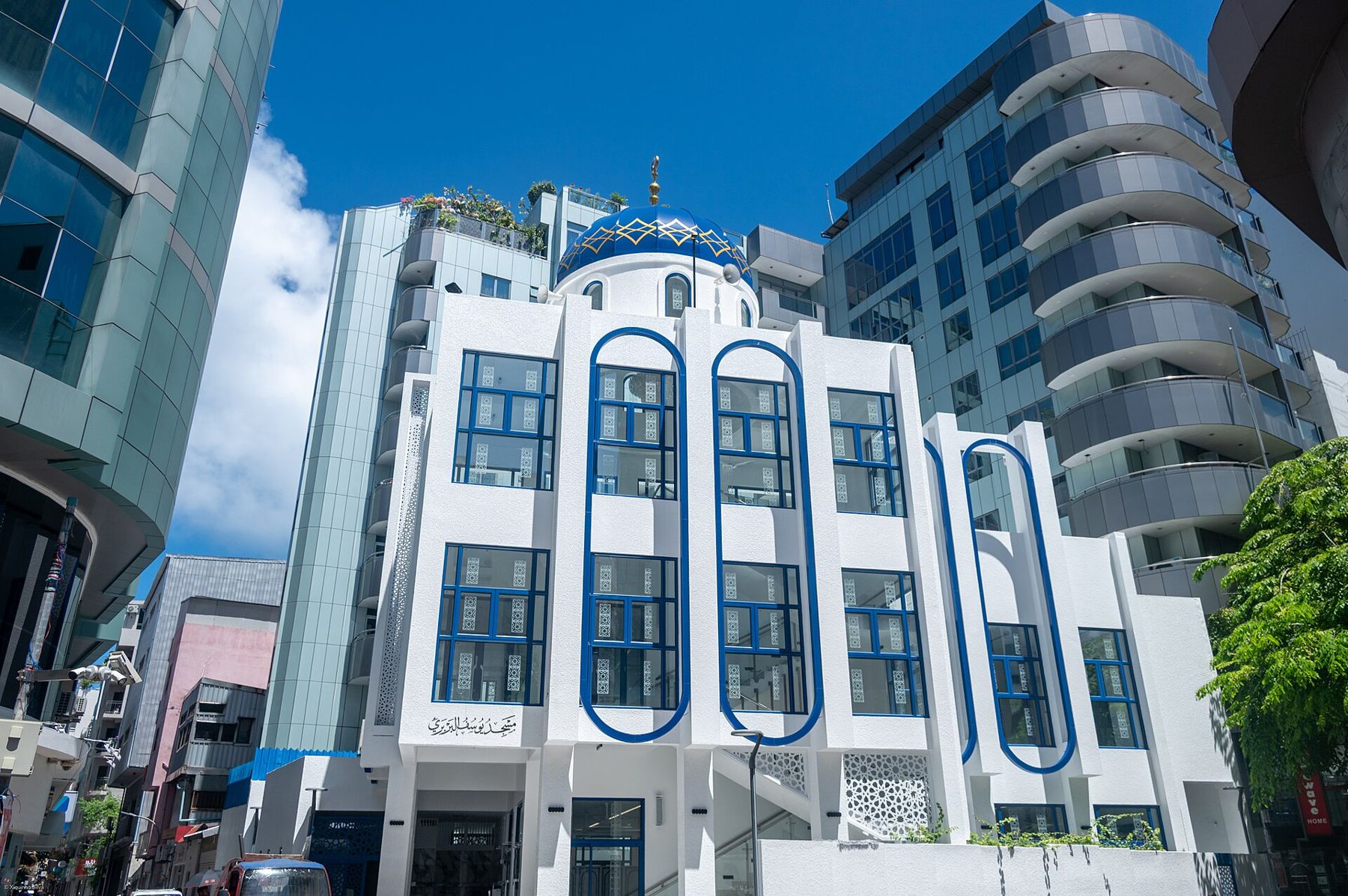
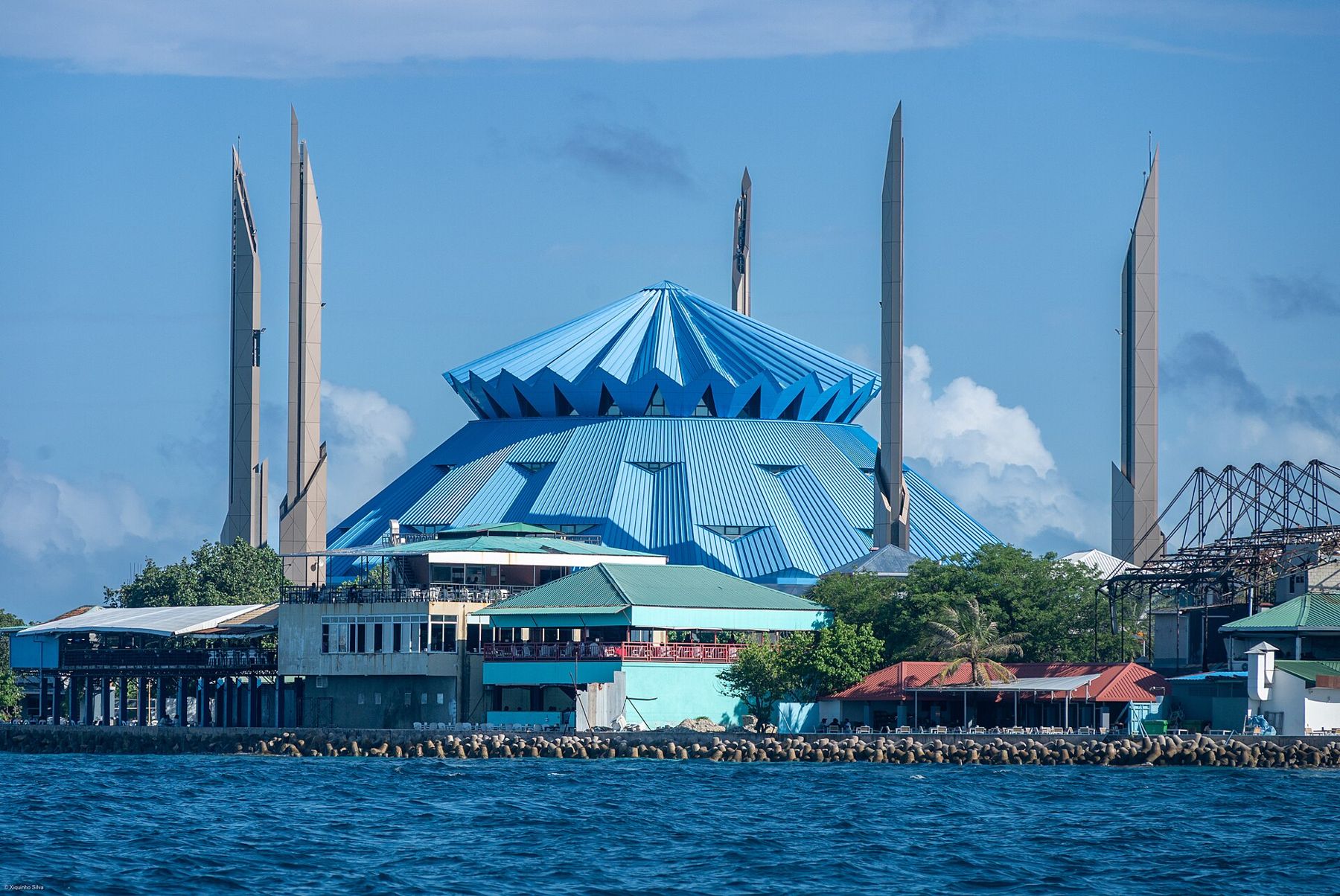
Mosques on local islands are places of worship first. Some welcome respectful visitors outside prayer times, while others are for worshippers only, so ask before going in. If you are invited, dress conservatively, with arms and legs covered, women with hair covered, and take off your shoes at the entrance. Do not walk in front of anyone who is praying, and avoid visiting during prayers.
Photography of streets, boats, houses and the sea is generally fine. Photographs of people are different. Always ask before photographing anyone, and accept a no without pressing. Be especially careful with women and children, and never photograph someone praying. Drones are subject to national rules and often unwelcome over a crowded village.
Public displays of affection are frowned upon. Holding hands is usually fine, but kissing and close embraces in the street cause offence. The same applies to loud behaviour late at night in a residential area. Keep voices low after dark, keep music inside, and remember that the house next to your window belongs to a family with children who have school in the morning.
Small courtesies that go a long way
Use your right hand to give and receive things, especially money and food. Greet people with a smile; a simple hello is fine, and many islanders speak good English. If you are invited into a home, take your shoes off at the door. Accept an offer of tea or a snack if you can; turning it down outright can seem cold.
Rubbish matters more on an island this size than almost anywhere. Carry your litter back with you, refuse plastic you do not need and refill a water bottle where you can. Keep to footpaths in cemeteries and do not climb on walls or old tombstones, which are often coral stone and fragile.
Finally, remember that the rules are not aimed at visitors in particular. They are how islanders live. Most people on Maafushi are glad to see you, and a guest who dresses sensibly, asks before taking a photograph and keeps the evening quiet is welcome. Spend a little time walking the lanes and talking to people, and you will understand quickly why the island is worth getting right. Our guide to Maafushi itself is a good place to begin.