
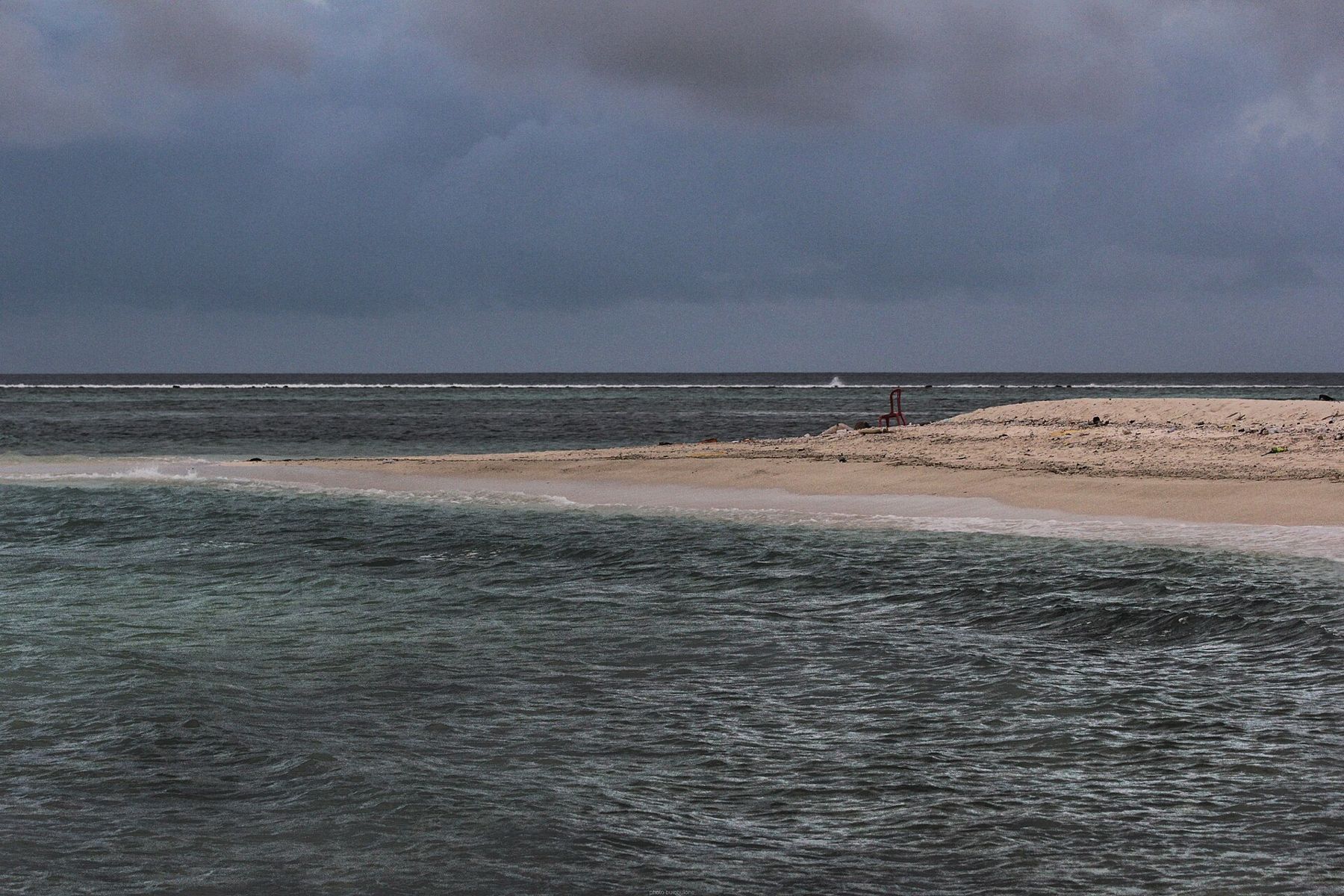
Reef and seaShallow coral and rubble lie close to shore. Wear reef shoes, never stand on living coral, watch for currents beyond the breakwaters and swim in pairs.
Arrive on Maafushi expecting a resort beach and the first thing you notice may be a sign. Along the public shore, notices in English and Dhivehi ask visitors not to wear bikinis. A short walk away, behind a screen of fencing and palms, people lie on loungers in swimwear as they would anywhere in the tropics. Both are part of the same island, and understanding why makes a stay here easier.
Why a local island has a bikini beach
The Maldives is a Muslim country, and inhabited islands such as Maafushi keep Islamic customs in daily life. Modest dress is expected in public, for men as well as women. When regulations after 2009 allowed tourist accommodation on inhabited islands, a practical compromise emerged: islands could set aside a designated tourist beach where swimwear is allowed, usually screened from the village by walls, fencing or vegetation, while the rest of the island kept its usual standards.
On Maafushi this beach lies along part of the shore away from the main village streets. It is easy to find, because almost every visitor heads there at some point, and it is clearly marked. Inside, you can wear a bikini or swim shorts, sunbathe and swim freely. Outside, you cover up again before walking back through the lanes. The general rules that apply across the island are set out in our guide to local island rules.
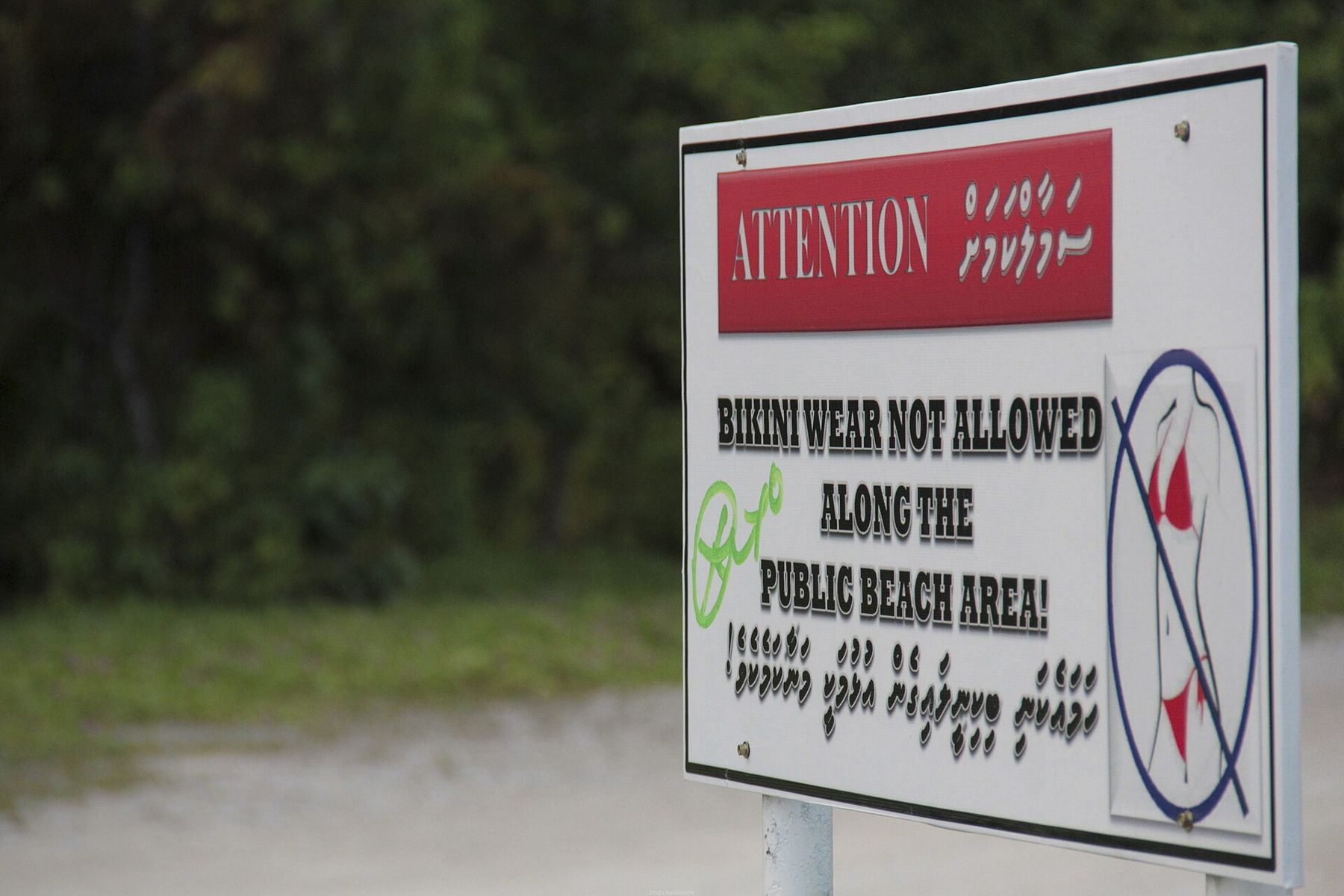
Reading the signs on the public shore
The notices on the public beaches are not aimed at swimming itself. Visitors may swim from other parts of the shore, but should do so in clothing that covers more: a T-shirt and shorts, a rash vest with leggings or board shorts, or a long swim top. Local families often swim fully clothed. The point is that the public beach is shared space next to homes, mosques and the school, and it follows the same customs as the street behind it.
In practice this is simple. Keep a cover-up, a sarong or a loose shirt with you, put it on as you leave the bikini beach, and you will rarely give it a second thought. Men walking through the village shirtless cause as much awkwardness as women in swimwear, so the rule applies to everyone.
The bikini beach itself
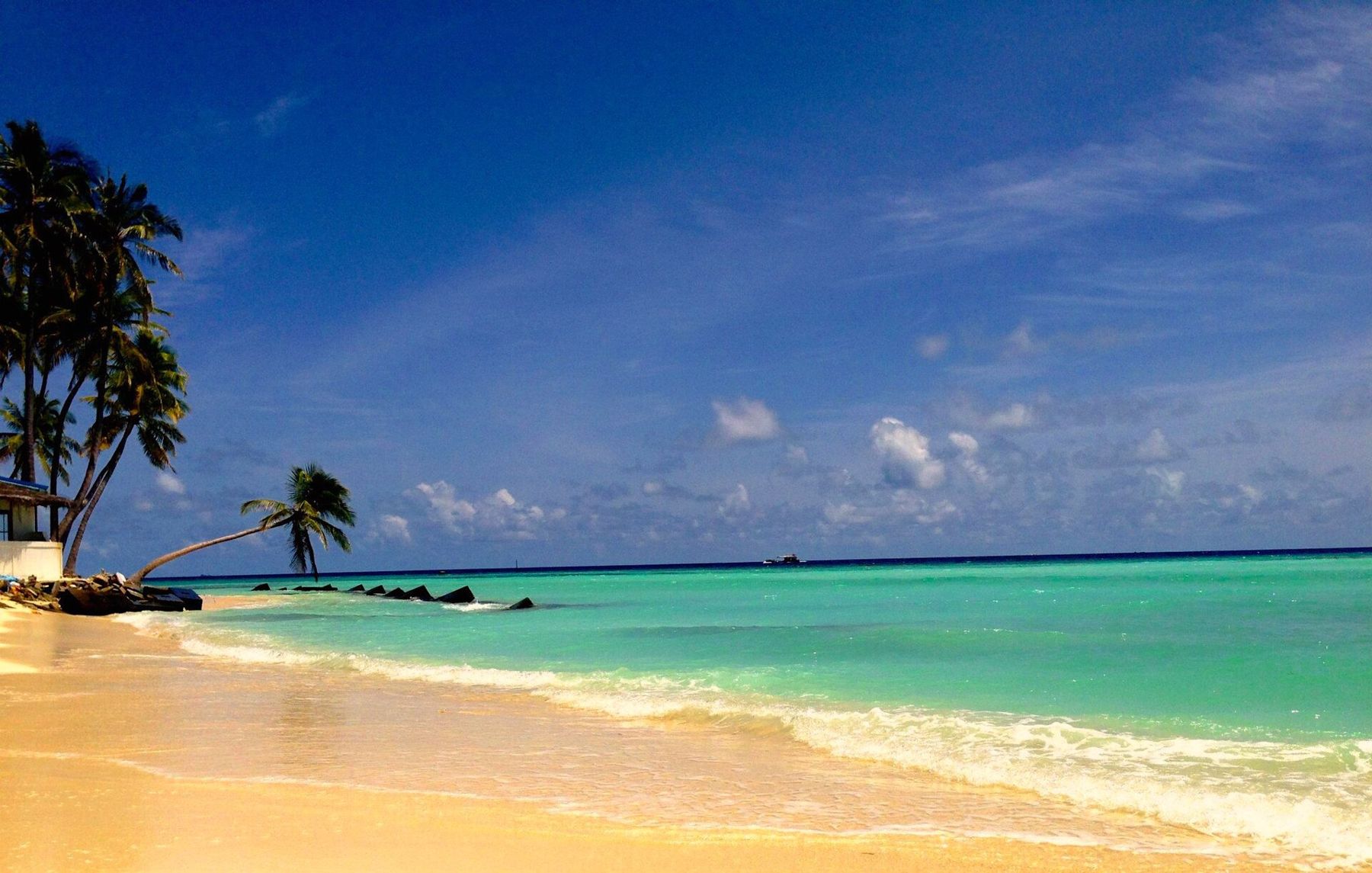
The designated beach is a stretch of pale coral sand facing the lagoon, with palms behind it and, at times, loungers, umbrellas and small kiosks selling drinks and snacks. Since alcohol is not served on local islands, any drinks are soft ones; visitors who want a cocktail on the sand usually take a resort day pass for that. Facilities change from season to season, so do not count on shade or showers being there when you arrive.
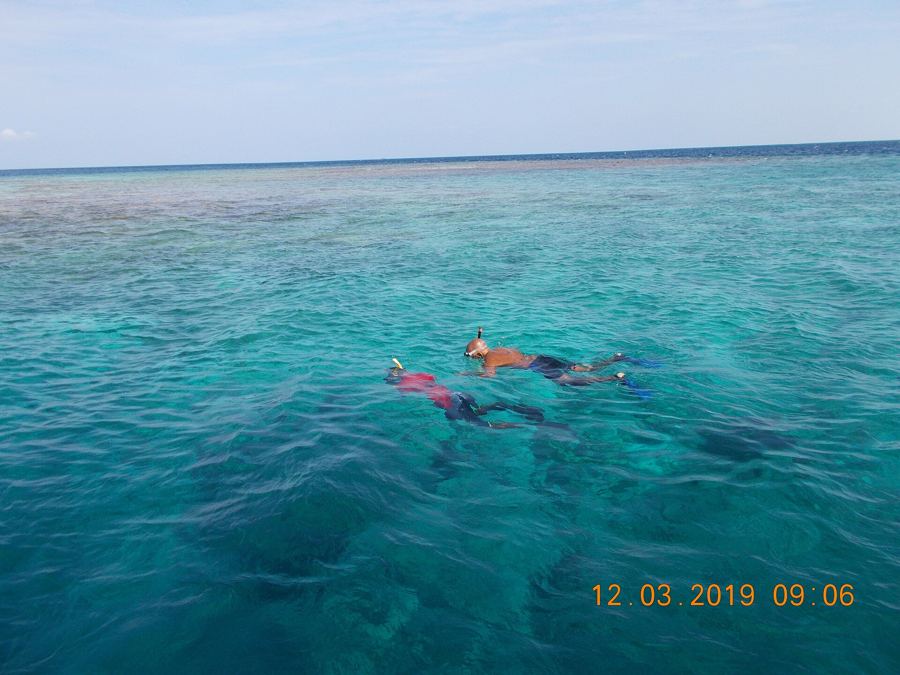 Next hop · The seaSnorkelling the reefs near Maafushi
The beach can be busy in the drier months and around midday. Mornings are quieter and cooler, and the light on the water is softer. Late afternoon is popular for a last swim before sunset. Leave nothing behind: bottles, snack wrappers and cigarette ends end up in the lagoon if the wind takes them.
Swimming conditions around the island
The water off Maafushi is generally warm and clear, but conditions vary with the monsoon, the tide and the wind. In the northeast monsoon, roughly December to April, seas are usually calmer and the water clearer. In the southwest monsoon, roughly May to November, wind can stir up the lagoon, bring rain squalls and push currents along the shore.
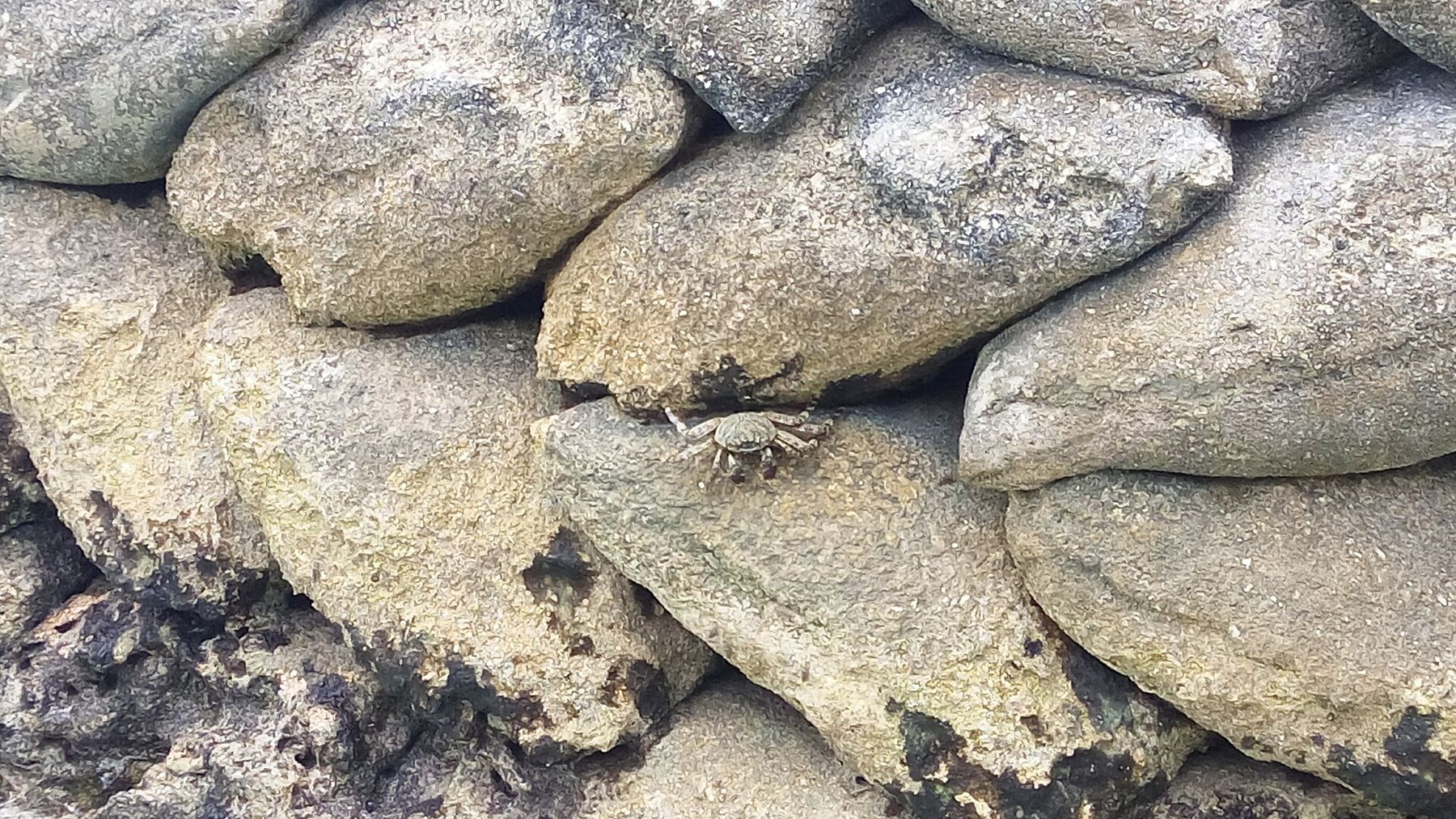
Much of the island's edge has been reshaped by breakwaters, rock walls and sandbag barriers built to hold back erosion. These change how the water moves. Near gaps in breakwaters and at the harbour mouth, currents can be stronger than they look. Shallow areas often hide coral rubble and sea urchins, so reef shoes help. There are usually no lifeguards. Swim within your ability, stay close to shore and to other swimmers, and do not swim alone or after dark.
If you want to see coral and fish, a short boat trip to a nearby reef is far better than trying to swim out from the beach. Our guide to snorkelling the reefs near Maafushi explains what to expect and how to keep reefs healthy.
Maafushi is small, and the shoreline changes character as you walk around it. The western side faces the sunset, and on clear evenings people gather wherever there is open sand or a seawall to sit on. Away from the bikini beach, the shore is quieter, sometimes scattered with coral rubble and driftwood, and often used by local families in the late afternoon. Here you are on the public shore, so modest dress applies even if you are only watching the sky.
Respect the space of people who live here. Children play on the sand, older residents sit in the shade, and some families fish from the rocks. Ask before photographing anyone, especially women and children, keep music low, and enjoy the evening as one of the island's ordinary pleasures rather than a show put on for visitors.
Swimwear, cover-ups and what to pack
You do not need special clothing for Maafushi, only a little planning. For the bikini beach, ordinary swimwear is fine. For everywhere else, pack light, loose clothes that cover shoulders and knees: linen trousers, long shorts, skirts below the knee, T-shirts and a thin long-sleeved shirt. A sarong is the most useful single item, since it works as a cover-up, a towel, a shawl and a sunshade.
For swimming off the public shore or on boat trips that stop near inhabited islands, a rash vest and board shorts or leggings keep you within local custom and protect you from the sun at the same time. Sandals that can get wet and a pair of reef shoes complete the kit.
Sun, heat and small precautions
The sun near the equator is strong all year, and the white sand and water reflect it back at you. Even on cloudy days you can burn quickly. Use a high-protection, reef-safe sunscreen, wear a hat, and cover up with a rash vest in the water rather than reapplying lotion every hour. Drink water often. Shade is limited on the beach, so plan longer stays for the morning or late afternoon and spend the hottest hours indoors or under the palms.
Take your valuables only if you need them, and keep them out of sight. Remember that the bikini beach is a designated space, not a private one, and that the island beyond it has its own rhythm. Swim, rest, cover up, walk back through the village, and the arrangement works well for everyone.
Keep a cover-up, a sarong or a loose shirt with you, put it on as you leave the bikini beach, and you will rarely give it a second thought.