
Reef and seaBoat trips still run, though crews may be fasting. Keep schedules relaxed, drink water discreetly on board, and leave reefs, turtles and rays untouched as always.
Ramadan is the ninth month of the Islamic calendar and the month of fasting. From dawn until sunset, Muslims who are able do not eat, drink or smoke. In the Maldives, where the population is Muslim, the whole country moves to the rhythm of the fast, and on a small inhabited island such as Maafushi you feel it in every street.
Visitors are not expected to fast. They are expected to be considerate. A trip during Ramadan can be one of the most rewarding times to see a local island, as long as you understand what changes and why.
When Ramadan falls
The Islamic calendar follows the moon, so its year is about 11 days shorter than the solar one. That means Ramadan moves about 11 days earlier each year, passing through every season over the course of about three decades. It lasts 29 or 30 days, and its start and end depend on the sighting of the new moon, so exact dates are confirmed only shortly before.
When you plan a trip, check whether your dates overlap with Ramadan. It can fall in the drier northeast monsoon or the wetter southwest monsoon, and our guide to monsoons and the best months explains how that affects the sea.
Daytime on a local island
During daylight hours, eating, drinking and smoking in public are not done on local islands. That applies to visitors too. Walking down the street with a bottle of water, a snack or a cigarette is seen as disrespectful, even if no one says anything. Drink and eat indoors, in your room or where your host serves food out of public view.
Most places that cater to visitors continue to feed their guests, often indoors or in a screened area. Some cafés close during the day and open in the evening; others keep shorter hours. Shops generally stay open but may close for longer around prayer times and in the hour before sunset. Government offices and some services work shorter days. Give yourself more time for errands and do not expect everything to run to its usual schedule.
On the designated tourist beach and on boat trips, the usual arrangements apply, but boat crews and staff may be fasting through a hot day. Be patient if things move a little more slowly in the afternoon, keep your water and snacks discreet on board, and remember that people around you have had nothing to drink since before dawn.
 Next hop · On the islandWalking the village streets of Maafushi
Iftar and the evenings
At sunset, the call to prayer signals the end of the day's fast, and families break it with iftar. On Maldivian islands this often begins simply, with dates, water or a sweet drink, before a fuller meal. Short eats called hedhikaa, small fried and baked snacks of fish, coconut and spice, are a big part of Ramadan evenings, and tea shops and kitchens fill up with them.
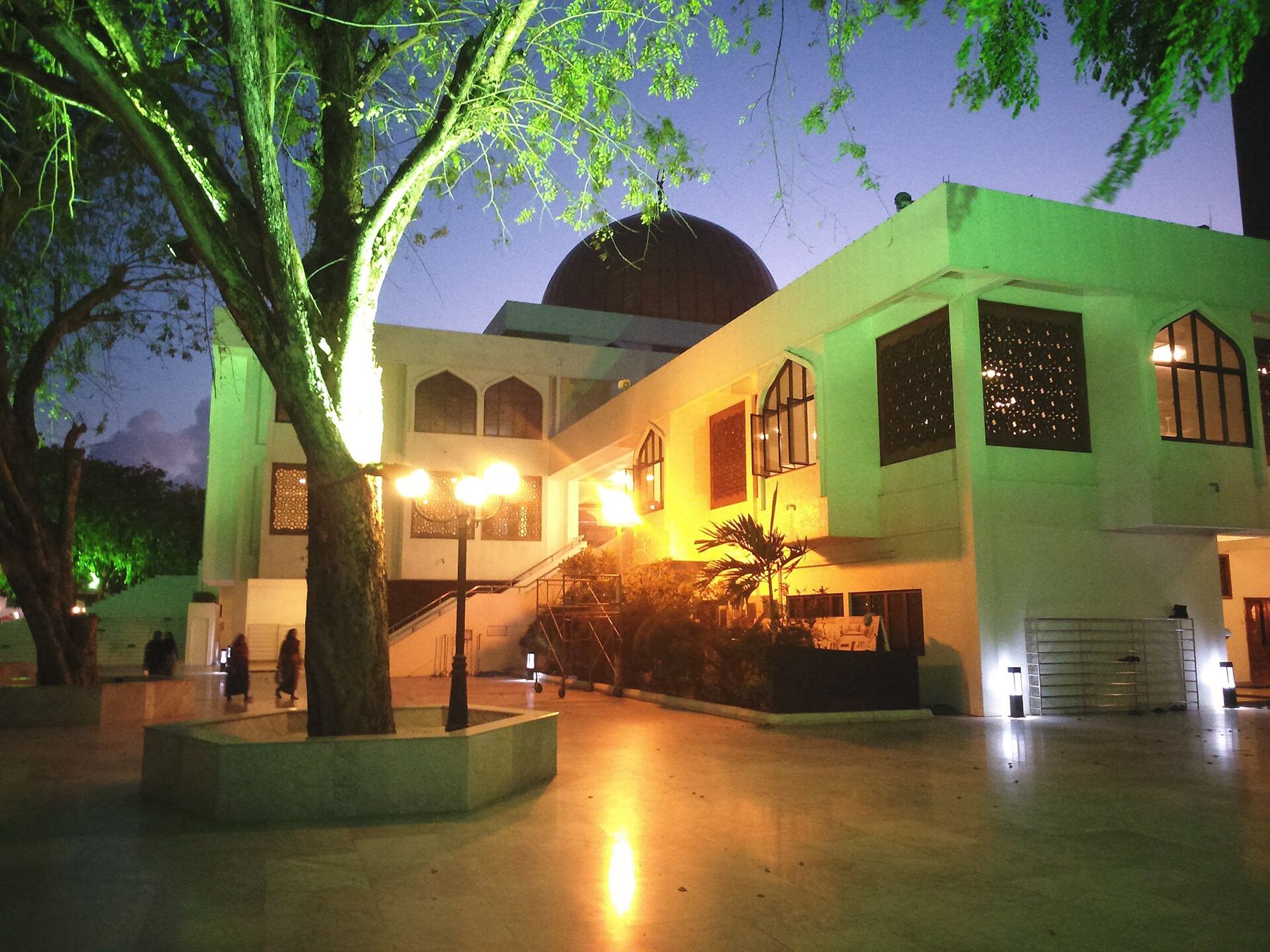
After iftar, the island changes. Streets that were quiet all afternoon fill with people. Families walk, children play, and the mosques are busy with the extra night prayers held during Ramadan. Cafés open late, and the cooler hours become the social heart of the day. Many people rise again before dawn for suhoor, a meal eaten before the fast begins.
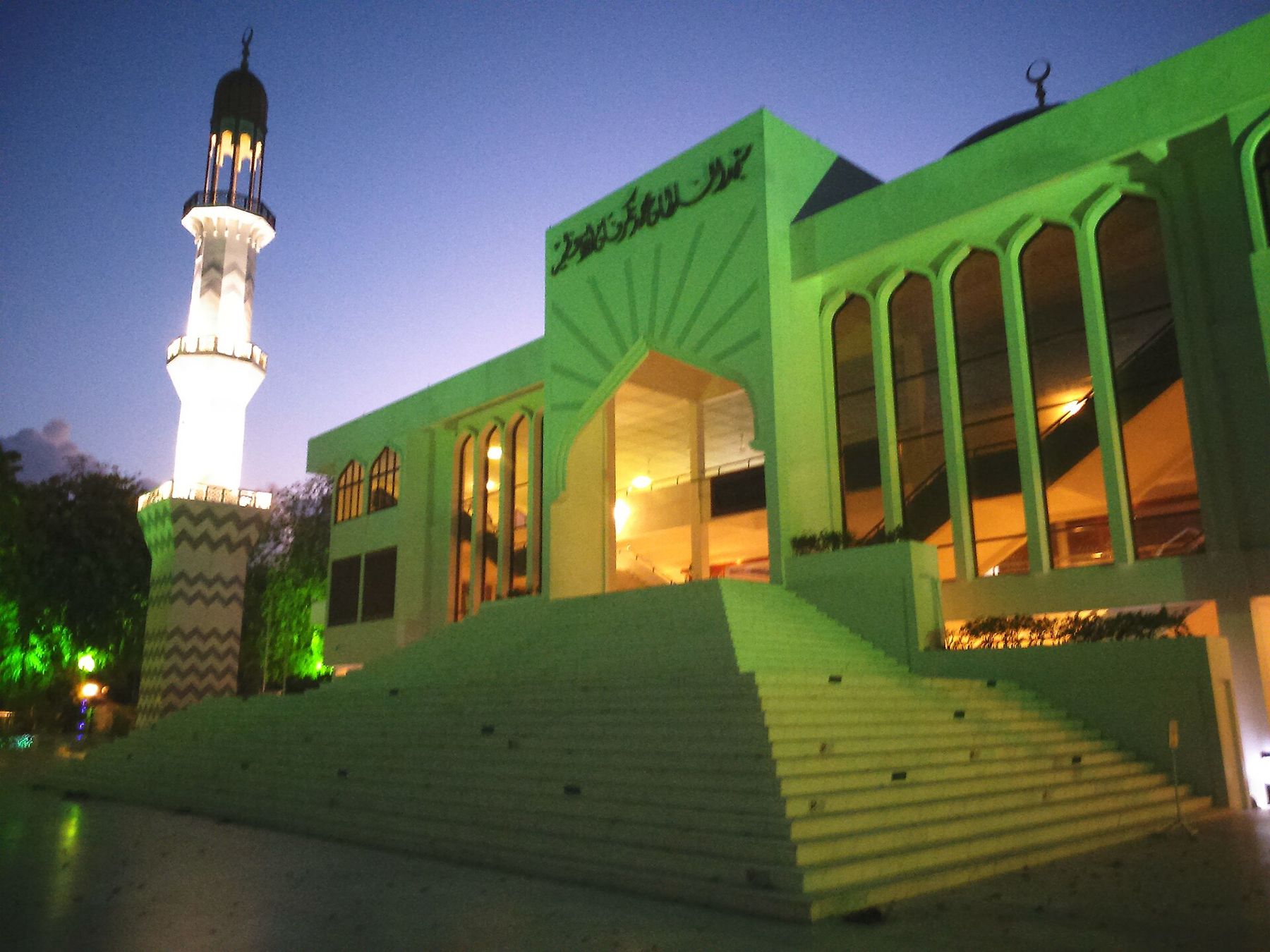
Evening prayers during Ramadan run longer than usual, and the area around each mosque is busy for an hour or more after dark. Walk past quietly, leave space at the doors and do not photograph worshippers coming and going.
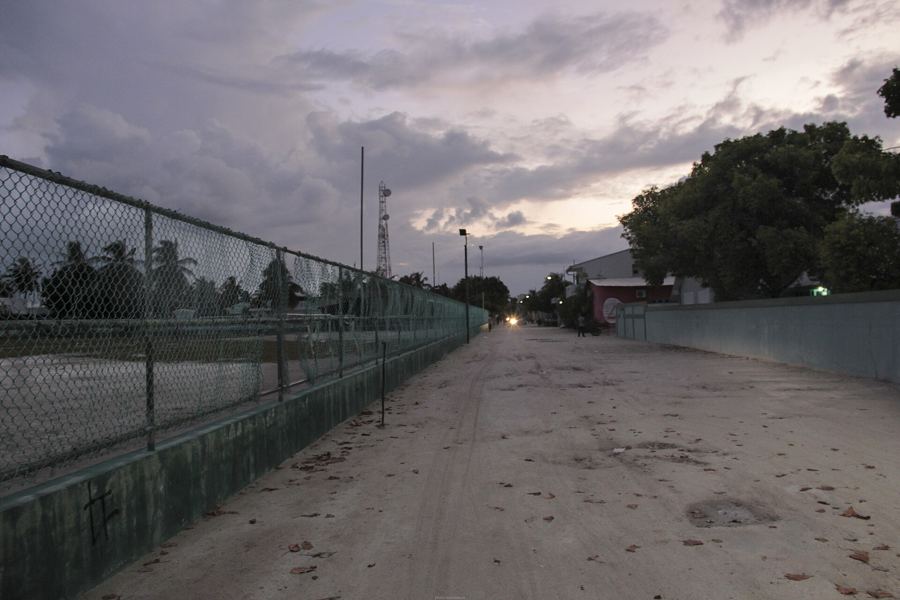
This is the best time to join in. Walk through the village after dark, try hedhikaa from a local tea shop, and enjoy the energy of an island that has waited all day for evening. Our guide to what you eat on a local island explains the dishes you are likely to meet.
Eid at the end of the month
Ramadan ends with Eid al-Fitr, known in the Maldives as Kuda Eid, the small Eid. It is a public holiday of several days. Families visit each other, people wear new clothes, special food is prepared and there may be games and gatherings across the island. Shops and offices may close, and transport can be busier as people travel home to their islands.
If your stay includes Eid, plan boat crossings and errands with care. Ferry and speedboat schedules can change over the holiday. Our guide to getting to Maafushi covers the options.
Being a considerate guest
A few habits make all the difference:
- Eat, drink and smoke only in private during daylight, including water.
- Dress a little more modestly than usual in the village, with shoulders and knees covered as always.
- Keep noise down, especially late at night and before dawn, when families rise for suhoor.
- Avoid public displays of affection and loud music.
- Be patient with slower service and changed hours.
The general rules for local islands still apply; our guide to local island rules sets them out plainly.
Why it is worth coming
Some visitors avoid Ramadan, worried that the island will be shut. It is not. Daytime is slower, but evenings are among the liveliest of the year, and you see a side of island life that ordinary weeks never show. The welcome is warm, the food after sunset is generous, and a guest who shows respect for the fast is noticed and appreciated.