
Reef and seaSandbanks sit on reef flats. Step only on sand, never on coral, watch for currents along the edges and let the boat crew judge where to swim.
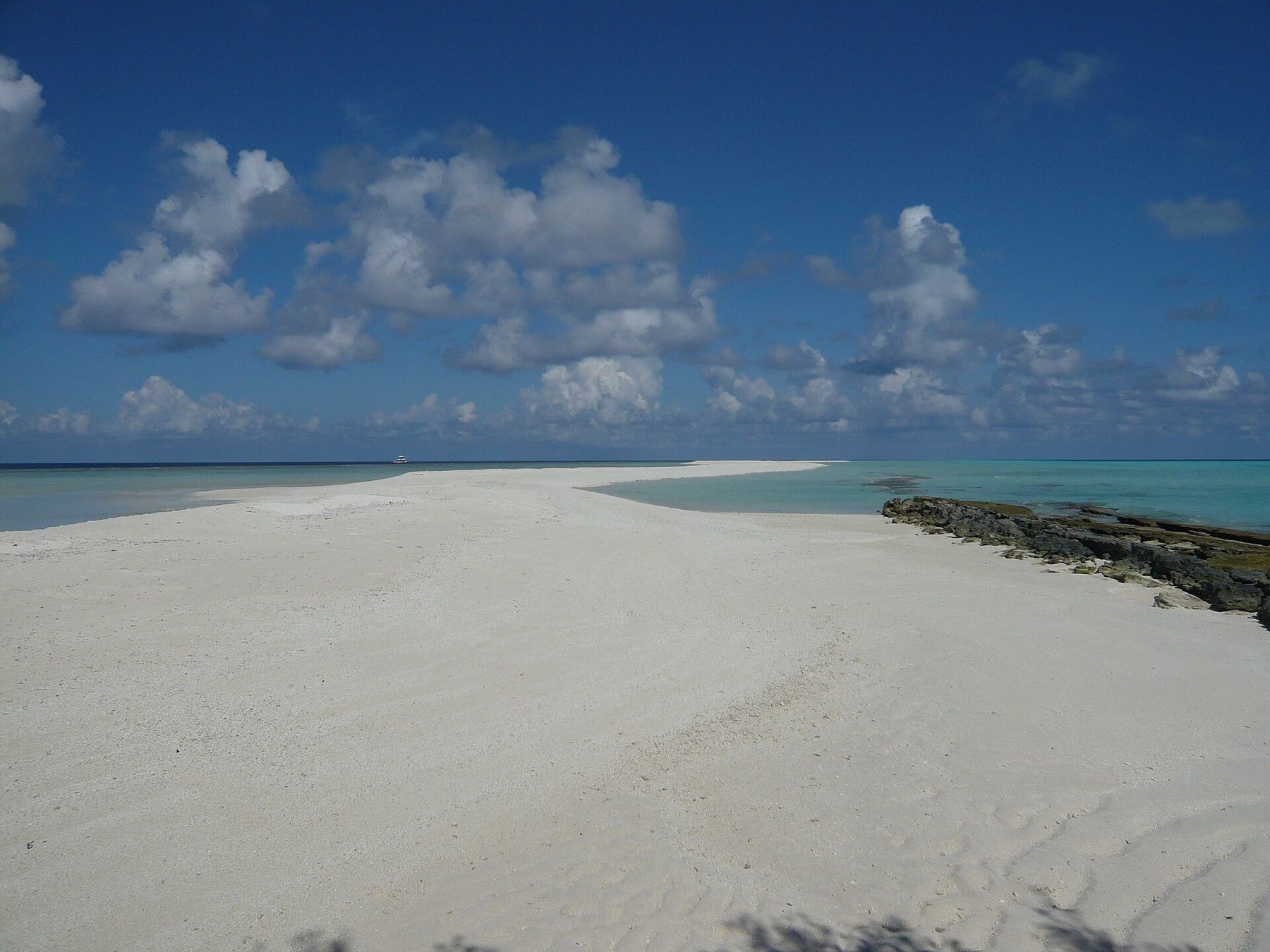
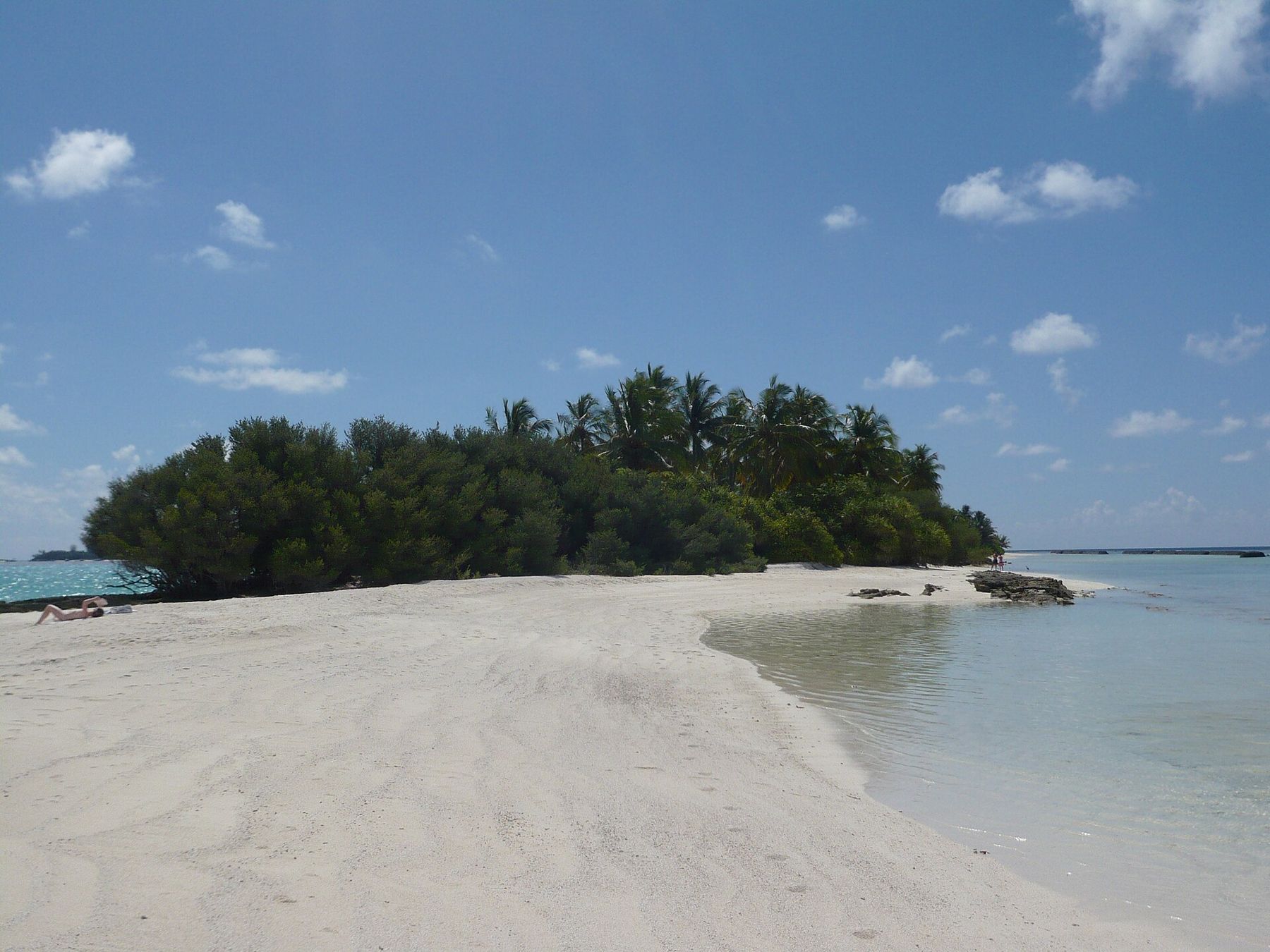
A sandbank is about the simplest landscape the Maldives offers. It is a low ridge of white coral sand rising out of a lagoon or reef flat, sometimes a few metres across, sometimes a long curving strip you can walk for several minutes. There are no trees, no buildings and usually no shade at all. Around it the water shifts from pale turquoise over sand to deep blue at the reef edge. For many people staying on Maafushi, a sandbank stop is the image they came for.
What a sandbank is
Sandbanks form where currents and waves pile up sand made from broken coral, shells and the remains of reef creatures. They sit on shallow reef flats inside the atoll, often near channels where water moves strongly. Because they are made of loose sand and have no roots holding them together, they change constantly. A sandbank may grow, shrink, change shape or move with the seasons, and some disappear for a time, especially in rough weather or the opposite monsoon.
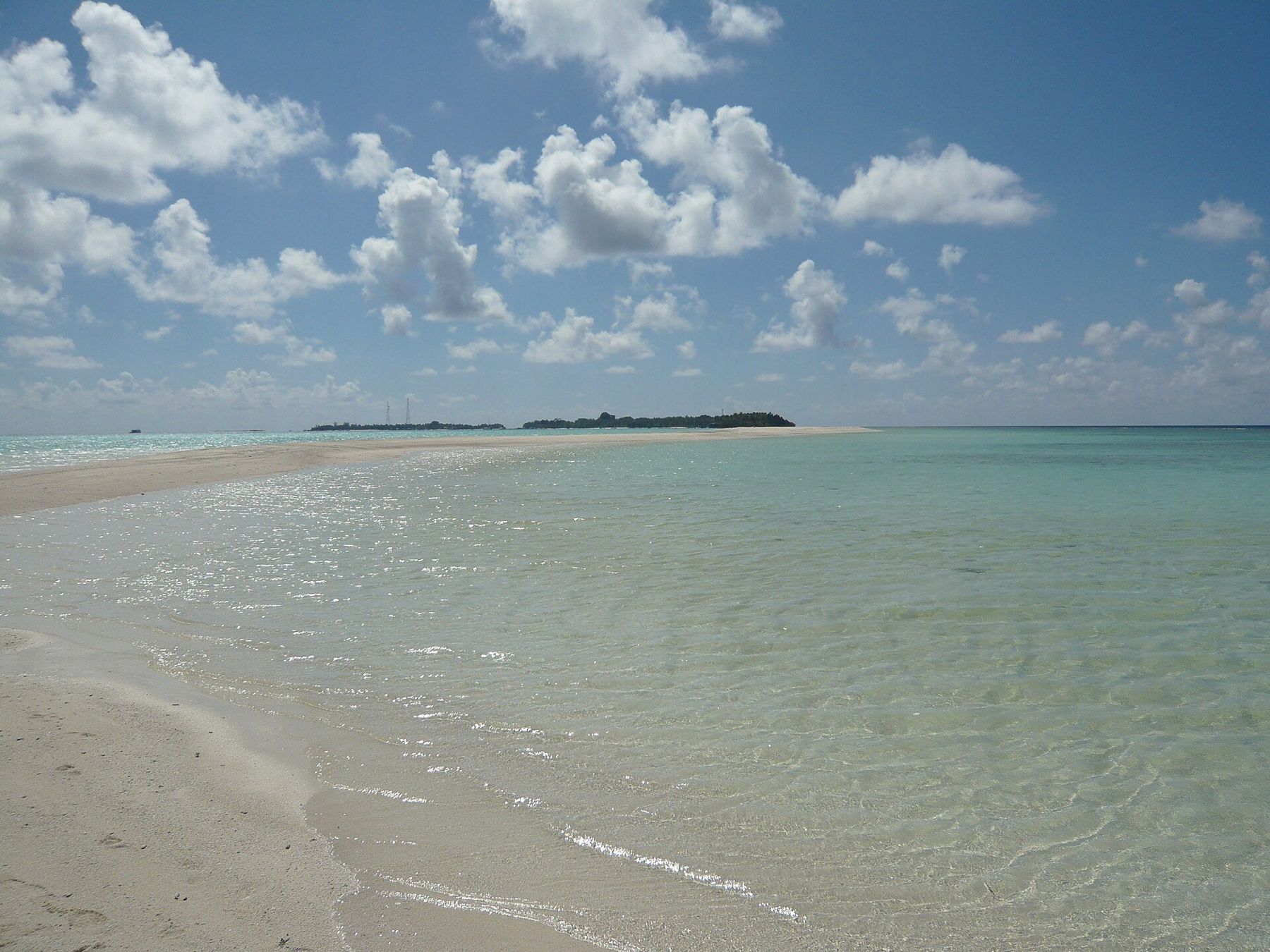
Tides matter too. At high tide a sandbank may be a narrow strip; at low tide it can widen and reveal more of the reef flat around it. Boat crews know local sandbanks and how they behave, which is one reason visits are almost always made by organised trip rather than independently.
How sandbank trips work
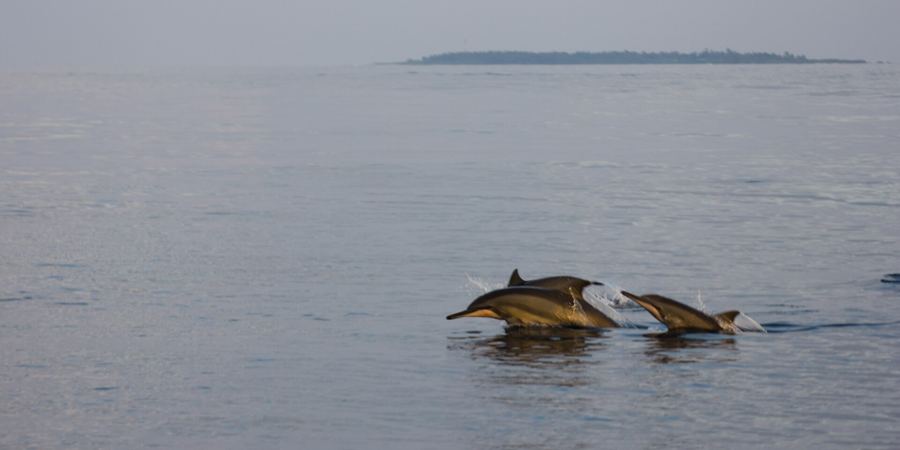
From Maafushi, sandbank visits are usually part of a boat excursion that may also include snorkelling on a nearby reef, a search for dolphins, or time looking for turtles and rays. Some trips are short, an hour or two on the sand with a swim; others are half-day or full-day outings. Some include a picnic or barbecue, with the crew bringing food, water and sometimes a simple sunshade.
Guesthouses and local operators on the island offer these trips, and prices, inclusions and departure times vary. Ask exactly what is included, how long you will spend on the sand, whether shade and drinking water are provided, and what happens if the weather turns. Weather and sea state decide everything; a trip may be cut short or cancelled if wind and waves pick up.
Weather and sea state decide everything; a trip may be cut short or cancelled if wind and waves pick up.
Sun, heat and shade
The biggest risk on a sandbank is the sun. There is nothing to block it, and the white sand and shallow water reflect light upwards, so you burn from below as well as above. Even an hour can be enough for a serious burn, especially near midday.
 Next hop · The seaDolphins at dusk
Wear a wide-brimmed hat and sunglasses, and a rash vest or long-sleeved top in and out of the water. Use high-protection, reef-safe sunscreen on exposed skin, and reapply after swimming. Drink plenty of water, more than you think you need, and bring your own if you are not sure the trip provides enough. If a sunshade is offered, use it. Children and anyone sensitive to heat need extra care; heat exhaustion on open sand comes on quickly.
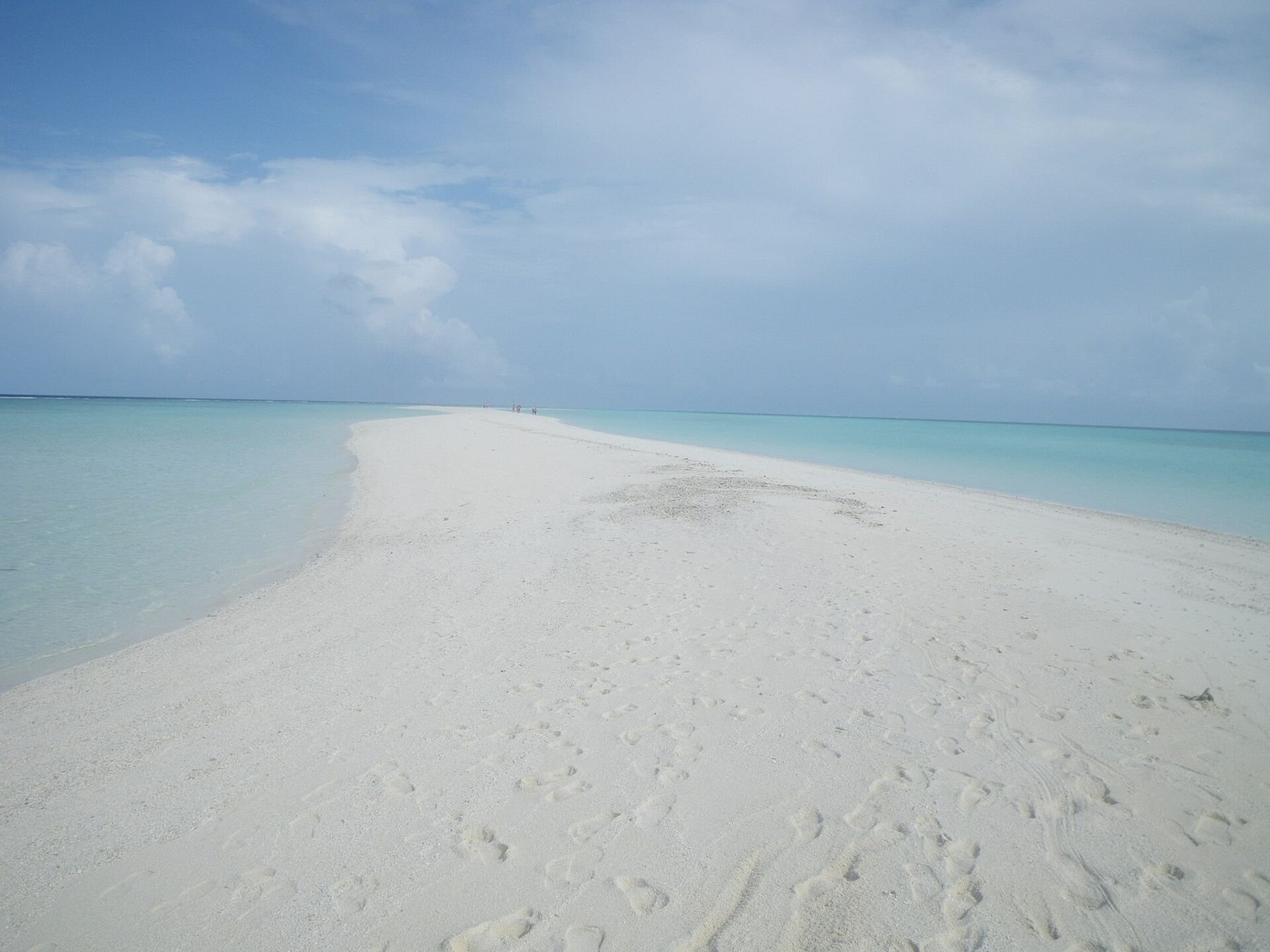
A towel or light sarong to sit on helps, since the sand heats up fast and there is nowhere else to sit. Keep phones and cameras in a dry bag or in the shade of the boat, as heat and spray damage them quickly.
Visits in the early morning or later afternoon are kinder than the middle of the day, when the light is harsh and the sand gets hot underfoot. If you can choose a trip time, choose one of those.
Swimming and sea sense
The water around a sandbank is often shallow and calm on one side, but deeper water and currents may run along the other edge, especially near channels. Do not assume the whole area is safe to swim. Listen to the crew, swim where they suggest, and stay in sight of the boat. There are no lifeguards on a sandbank.
Much of the shallow bottom around a sandbank is reef flat, with living coral, coral rubble and sea urchins. Step only on sand, never on coral, and wear fins or reef shoes if you plan to explore. Do not touch, chase or feed any marine life you see. Turtles, rays and small reef sharks sometimes pass close; give them space and let them move on.
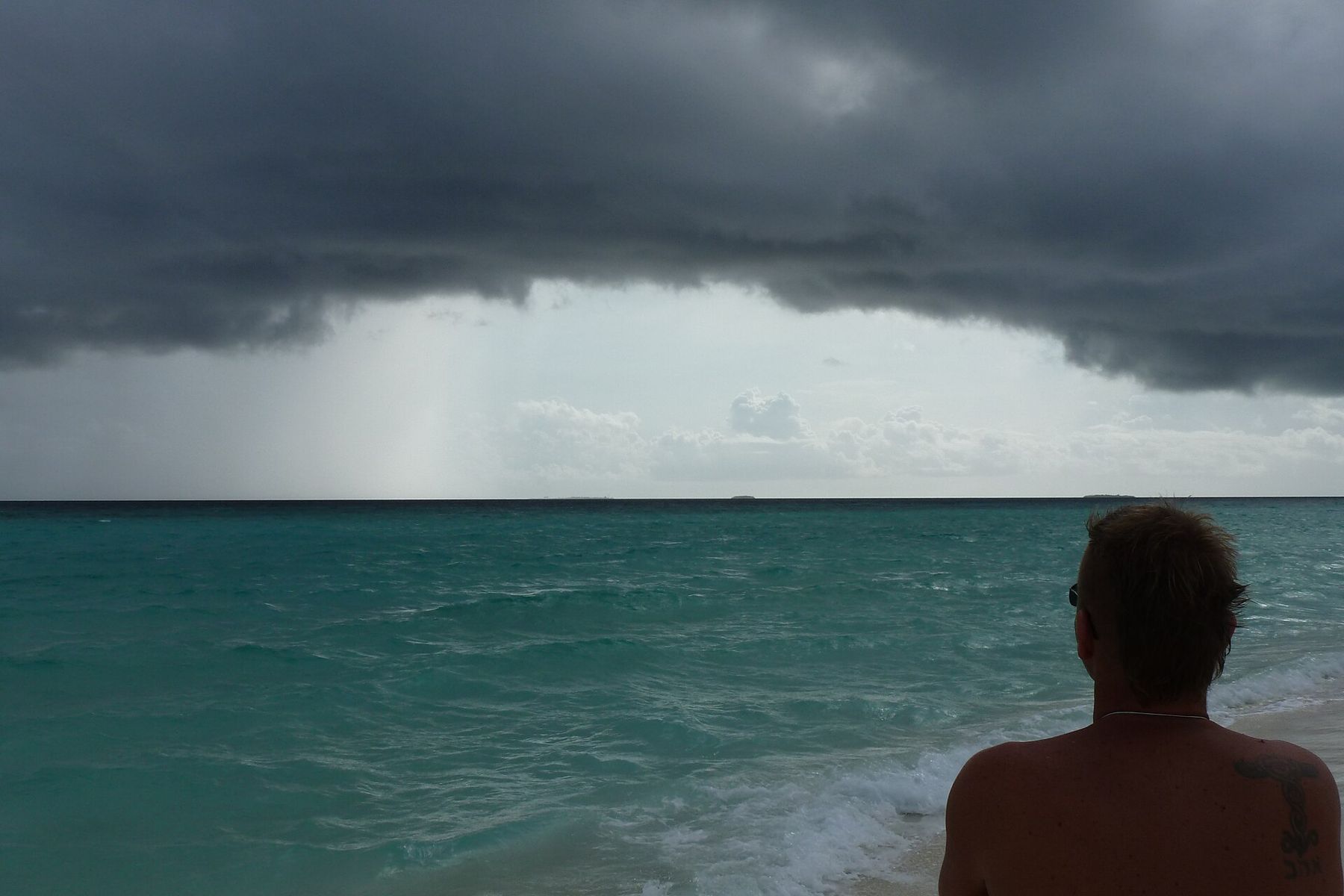
Weather can change quickly, especially in the southwest monsoon, roughly May to November. Squalls build fast over the atoll, bringing wind, rain and choppy water. If the crew decides it is time to leave, go without argument. The calmer, drier northeast monsoon, roughly December to April, usually offers the best conditions, though no month is guaranteed.
Leave nothing behind
Sandbanks look untouched, and they stay that way only if every visitor takes everything back. Bring a small bag for rubbish and use it: bottles, food packaging, cigarette ends, sunscreen tubes, even fruit peel. Plastic left on a sandbank is carried into the sea by the next tide and ends up on reefs, in turtles and on the shores of inhabited islands such as Maafushi. Do not bury rubbish in the sand, and pick up any you find if you can carry it.
Leave shells, coral and sand where they are. Collecting them harms the reef and is restricted in the Maldives, and taking coral out of the country is not allowed. Avoid building fires on the sand. If your trip includes a barbecue, check that the crew takes all waste and ash back to the island.
Some sandbanks also serve as resting places for seabirds and, on a few, a feeding stop for herons wading along the edge. Keep a respectful distance, do not chase them for photographs and let them settle. Seabirds rest here because nothing else does, and a group of people walking the full length of a small sandbank can push them off it for the whole afternoon.
Dress, photos and respect
Sandbanks are away from inhabited islands, and swimwear is generally accepted on them. Still, you will travel to and from the boat through the harbour, so bring a cover-up for the walk through the village, as the customs explained in our guide to local island rules still apply there. Drone use is regulated in the Maldives.
A sandbank stop is brief and simple: sand, sea, sky and a boat waiting at the edge. Go prepared for the sun, keep your feet off coral, take every scrap home, and it stays the same for whoever comes next. If you are staying for a few days, combine a sandbank visit with time on the bikini beach and a walk through the village, and you will see both sides of island life.